Tips, guides, and insights about nutrition, AI food tracking, and healthy living.
Full breakdown of the 21-day reset — four phases, six self-verifying rules, weigh-in checkpoints, and the freeze-and-buy-back mechanic. Includes a paper version you can start tomorrow.
75 Soft, 75 Medium, Winter Arc, Whole30, Reset 21 and more — every serious 75 Hard alternative compared on rules, duration, evidence, and your actual odds of reaching the finish line.
What 75 Hard actually requires, what dietitians and trainers criticize about it, and why the miss-one-thing-start-over rule is the reason most people never see Day 75.
Rule-by-rule comparison of 75 Hard and 75 Soft — exercise volume, diet rules, the restart mechanic, and who each challenge really fits. Plus the third option both sides ignore.
The complete 75 Soft guide — all four rules, how it compares to 75 Hard, what results to expect, and the accountability gap that makes 'easier' quietly harder to finish.
Seven AI calorie counter apps ranked by photo accuracy, free-tier access, ingredient breakdown, and food-quality scoring. Only two let you scan for free.
Cal AI was acquired by MyFitnessPal, then briefly pulled from the App Store. Here are 8 honest Cal AI alternatives compared on photo AI, free tiers, price, and platforms.
An honest Cal AI review for 2026: real accuracy, real pricing, the billing complaints, the April App Store removal, and what MyFitnessPal ownership changes.
Your BMR is what you burn lying still. Your TDEE is what you actually burn living life. Confusing them costs people their calorie target. Here's how to get both right.
Cheat meals are mostly a mental tool. Refeed days are a metabolic one. Knowing which you need — and how to do each without wrecking your cut — matters.
On Ozempic, Wegovy, or Mounjaro? Calorie tracking still matters — but the protocol changes. What to track, what to ignore, and how to protect muscle while losing fat.
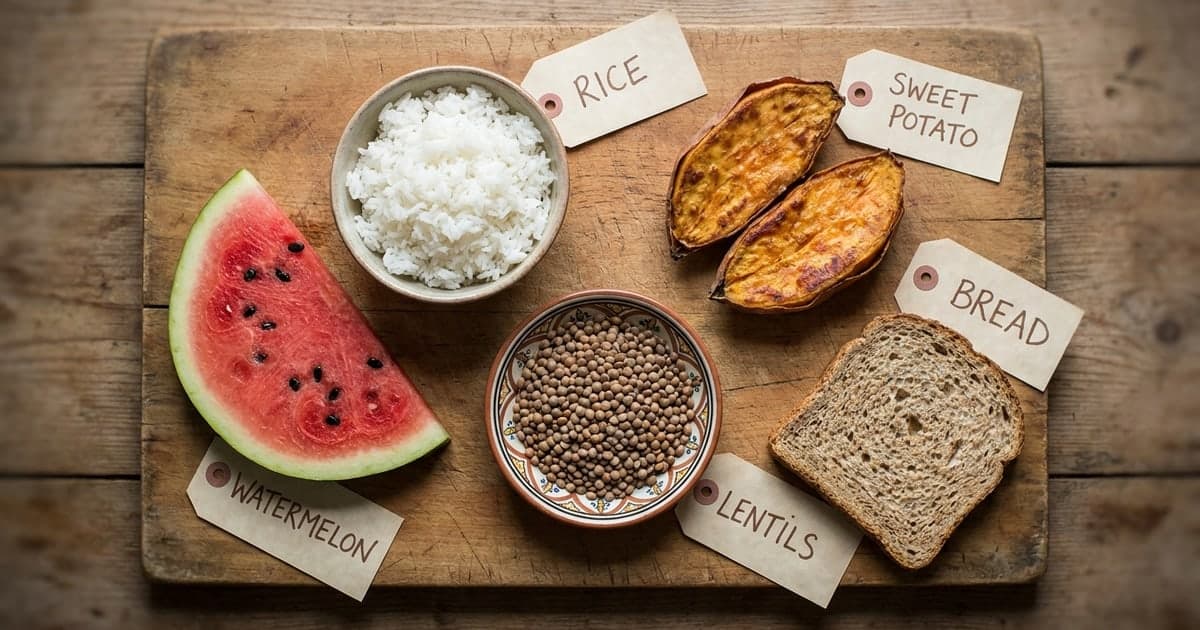
Glycemic index tells you how fast a food spikes blood sugar. Glycemic load tells you how much that actually matters. The honest comparison with foods ranked by both.
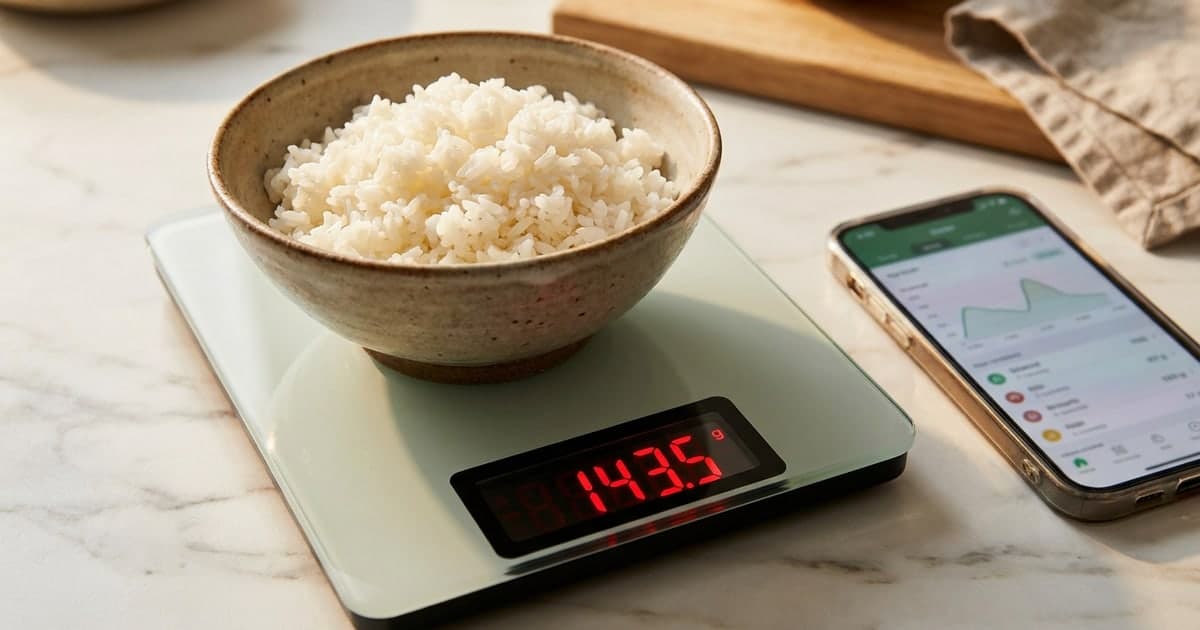
Calorie counter apps can be off by 25%+ if used poorly. The data on which apps are accurate, what causes errors, and how to bring your tracking within 5% of reality.
Real timelines for losing 10, 20, and 50 pounds, based on sustainable deficits — with the math behind why faster isn't better and what plateaus to expect.
Intuitive eating is the most-marketed alternative to calorie tracking. Here's the honest comparison on weight loss, mental health, and who should pick which.
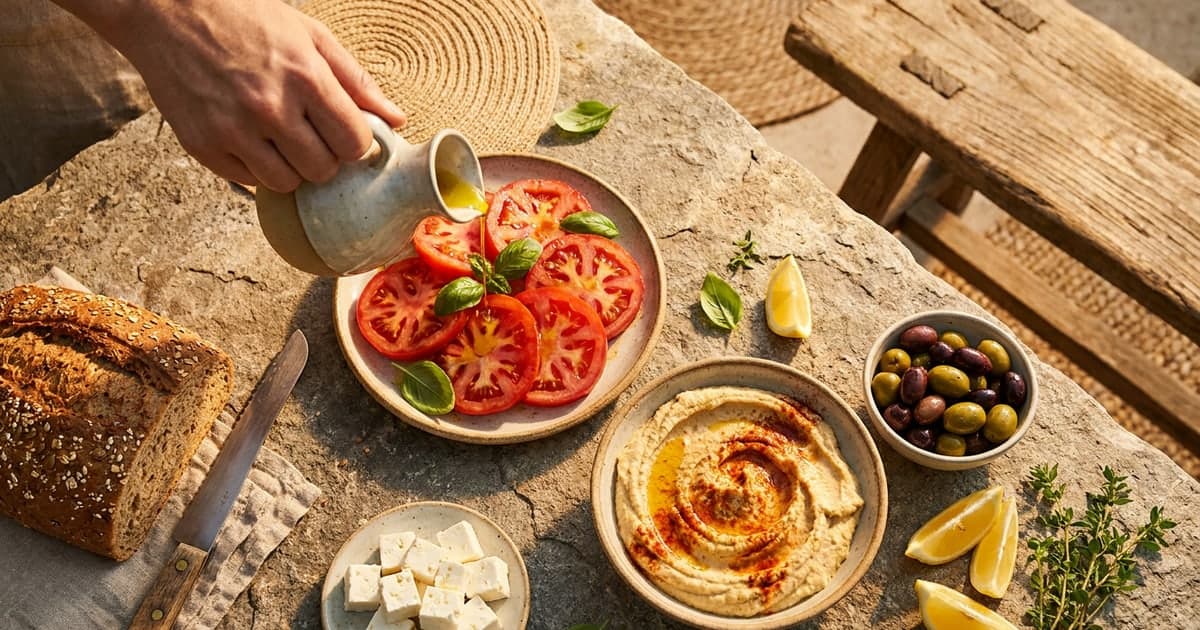
The Mediterranean diet wins almost every nutrition trial. Pairing it with calorie tracking gives you the heart-health benefits plus a real weight-loss tool. Here's the plan.
Reverse dieting raises calories slowly after a cut so you can eat 500-800 more per day at the same weight. The protocol, the evidence, and who actually needs it.
Sleep less than 7 hours and your fat-loss diet works against you. The research on sleep, hunger hormones, and why your cut needs a sleep target too.
Alcohol has 7 calories per gram, doesn't trigger satiety, and stalls fat loss for 12-18 hours. The honest tracking system for social drinkers who don't want to quit.
10,000 steps is a marketing number. The actual research-backed minimums for weight loss — and why walking beats most cardio for sustainable fat loss.
The most common reasons people quit calorie counting in the first week — and the small fixes that turn tracking from a chore into a 30-second daily habit.
These 'health foods' are quietly destroying your nutrition goals. Learn which marketing-friendly foods to swap — and what to eat instead.
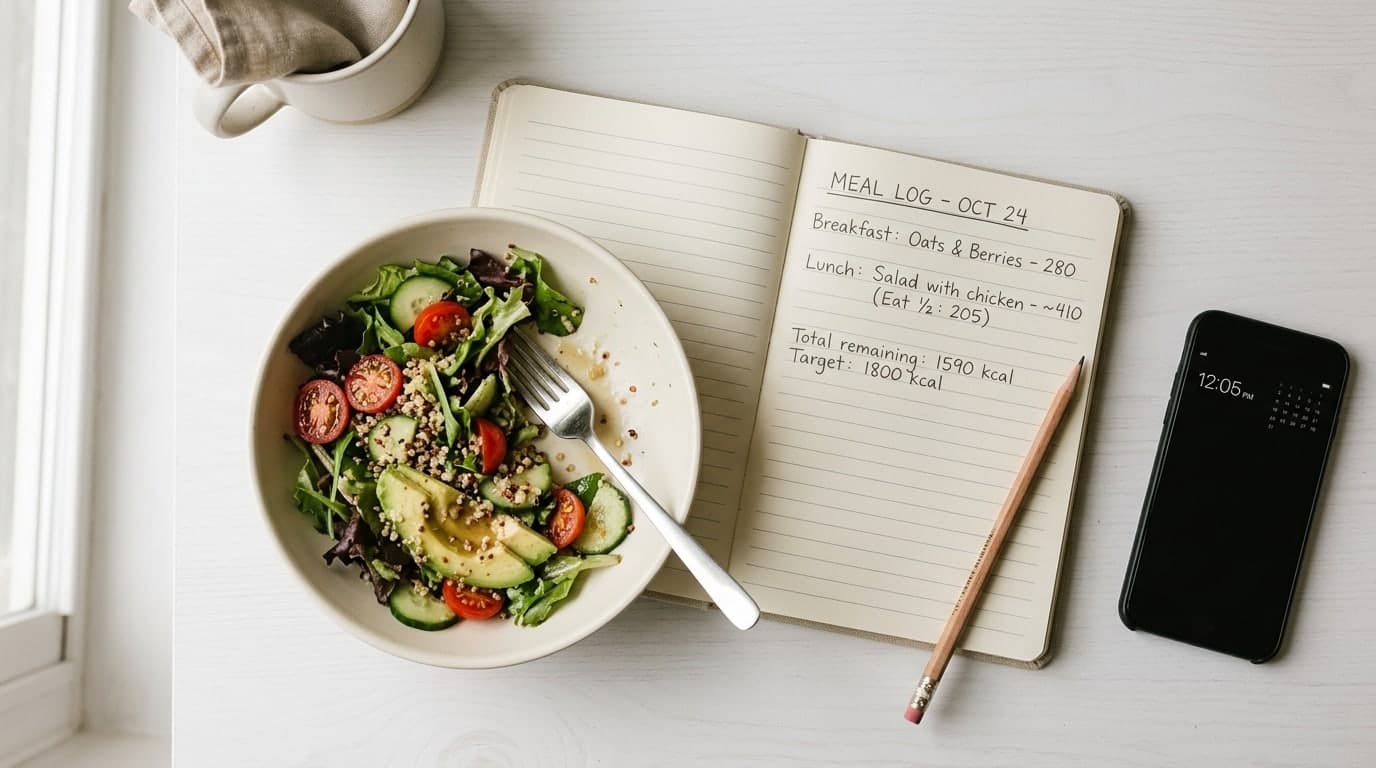
Skip the generic 1,200/1,500/1,800 advice. Here is how to calculate your actual daily calorie target for weight loss based on your body, activity, and goal.
You're tracking everything and still not losing weight? Here are the 7 real reasons your calorie deficit isn't working — and how to fix it.
Calories are a number; macros are a composition. Here's the practical difference, why both matter, and how to pick the right level of detail for your goal.
Three-minute method to estimate your true daily calorie burn (TDEE) using Mifflin-St Jeor + activity factors, plus the simpler rule-of-thumb that gets you within 5%.
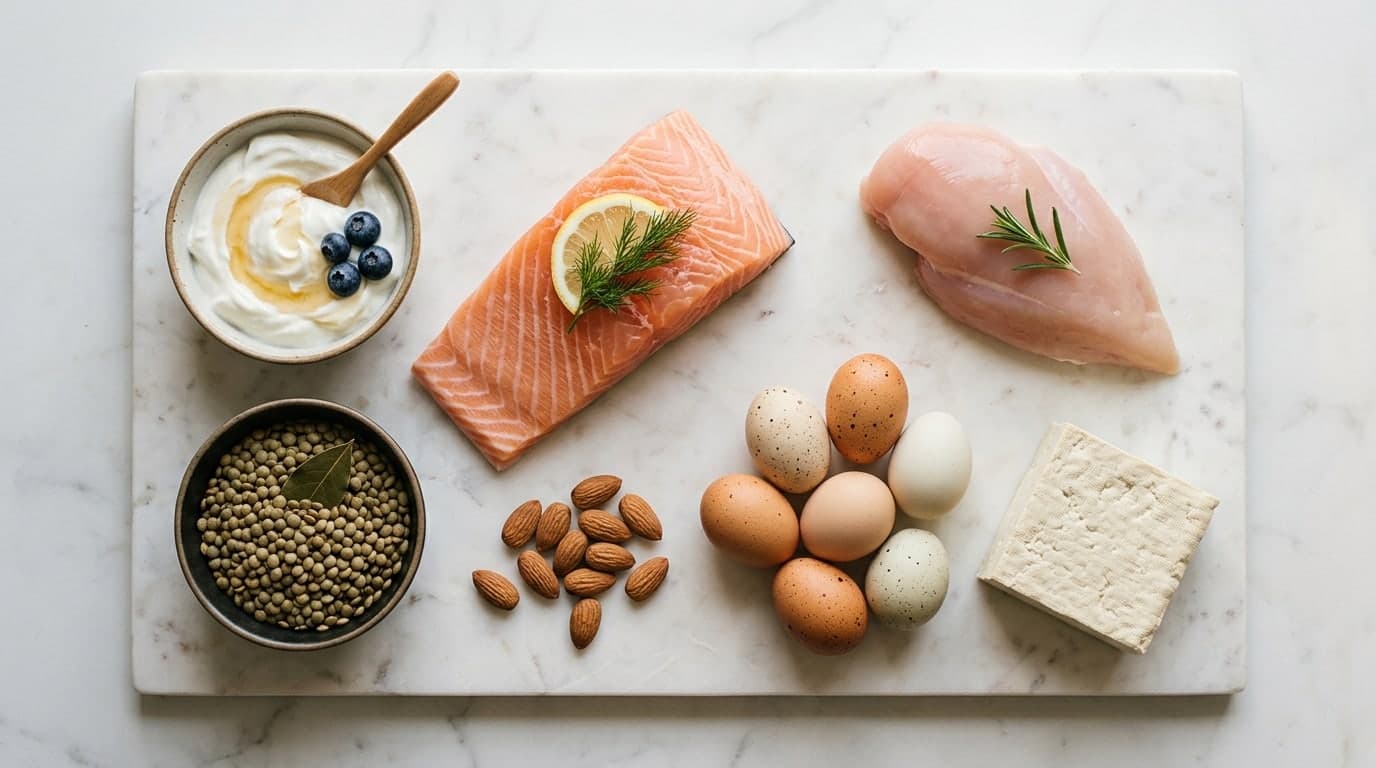
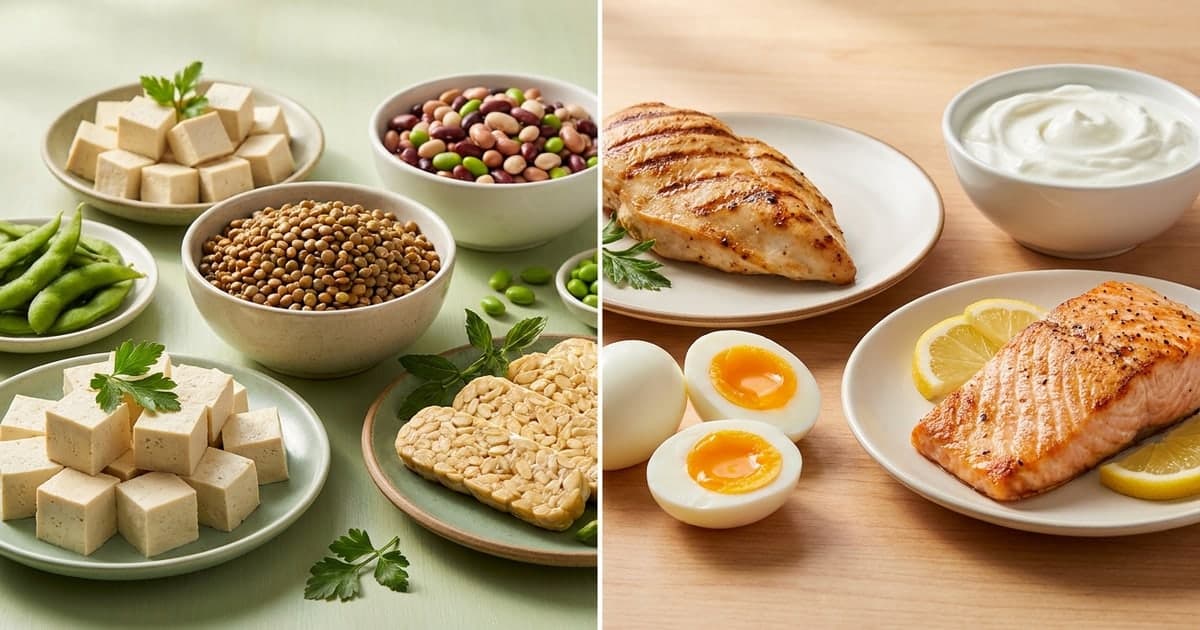
Not all protein is created equal. Learn why protein from salmon, eggs, and lentils affects your body differently than protein from hot dogs and protein bars.
The 12 foods most people underestimate by 200+ calories. Why "healthy" doesn't mean "low calorie," and how to spot the hidden surplus before it stalls your weight loss.
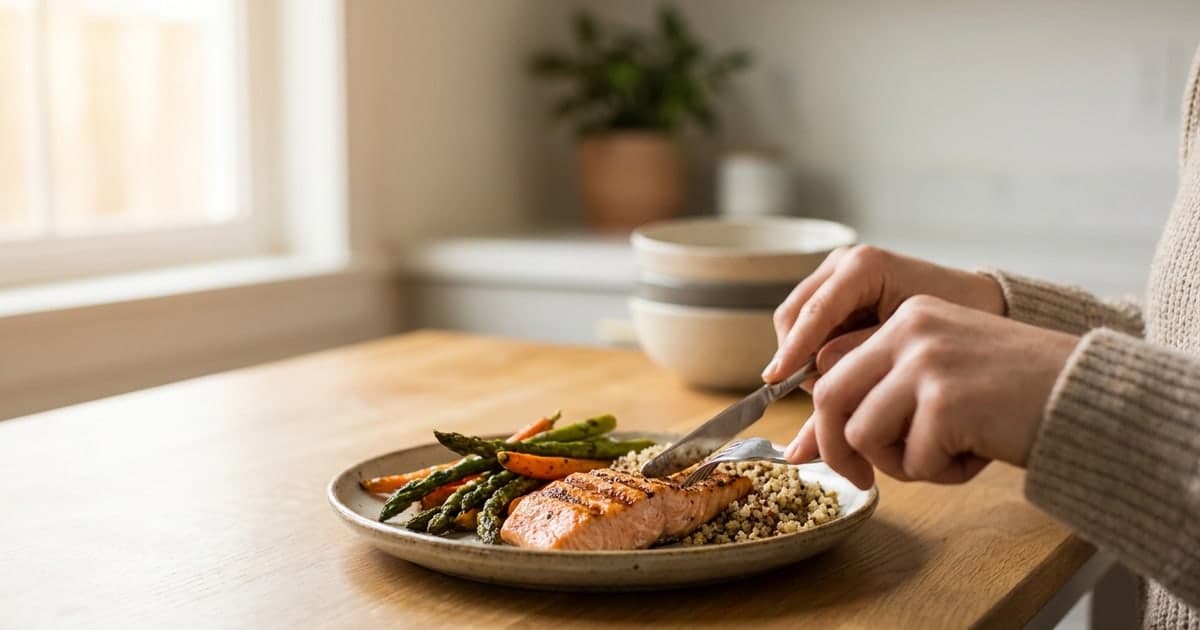
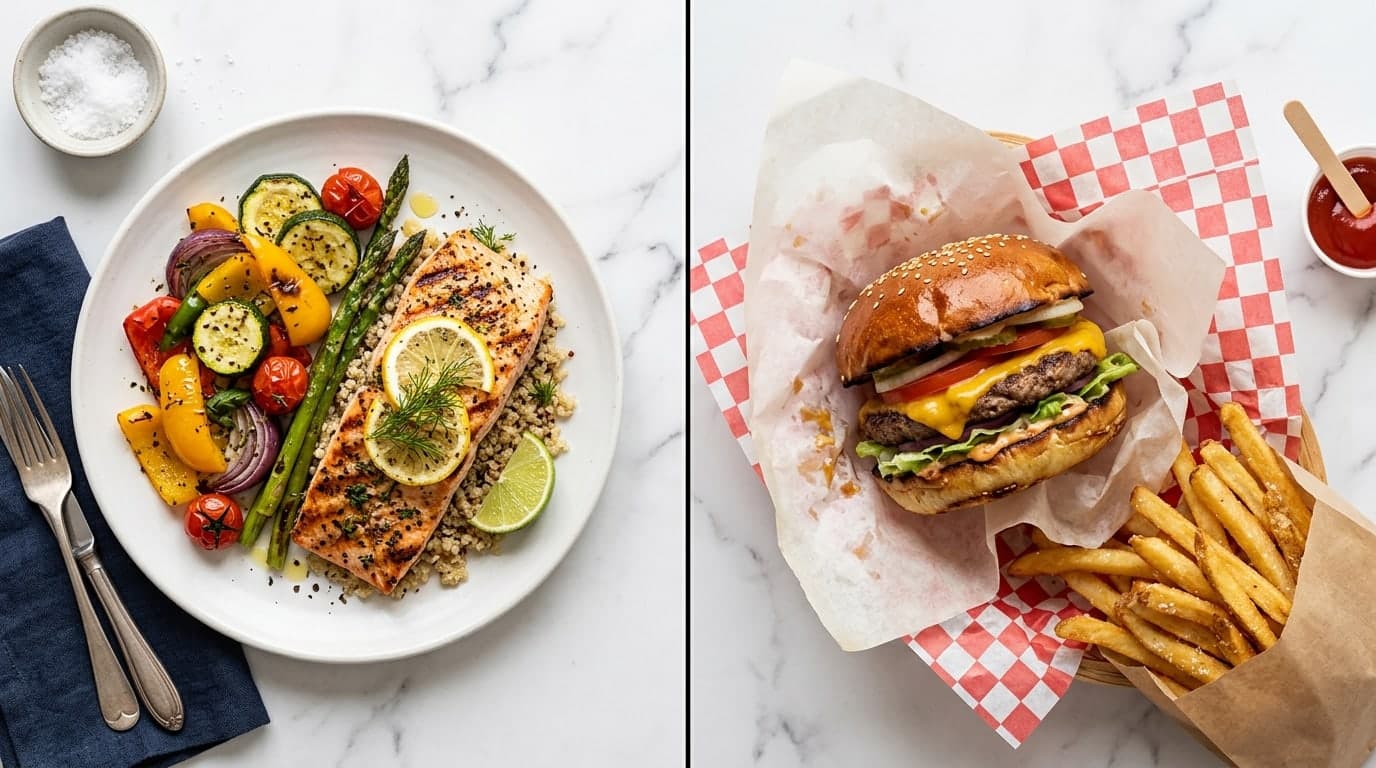
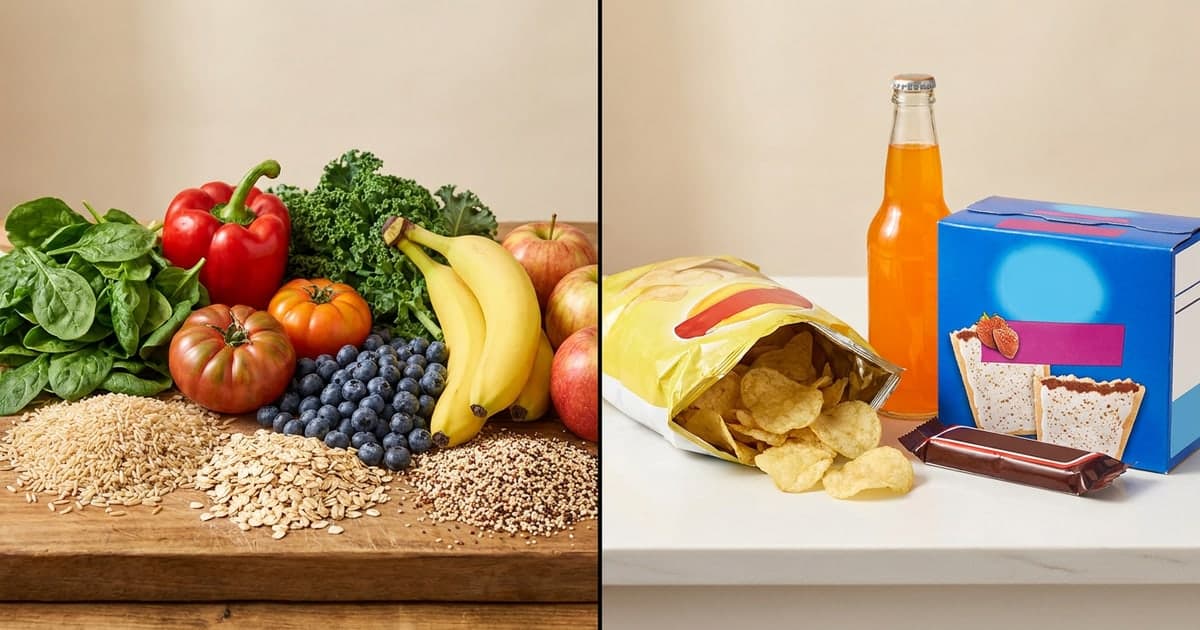
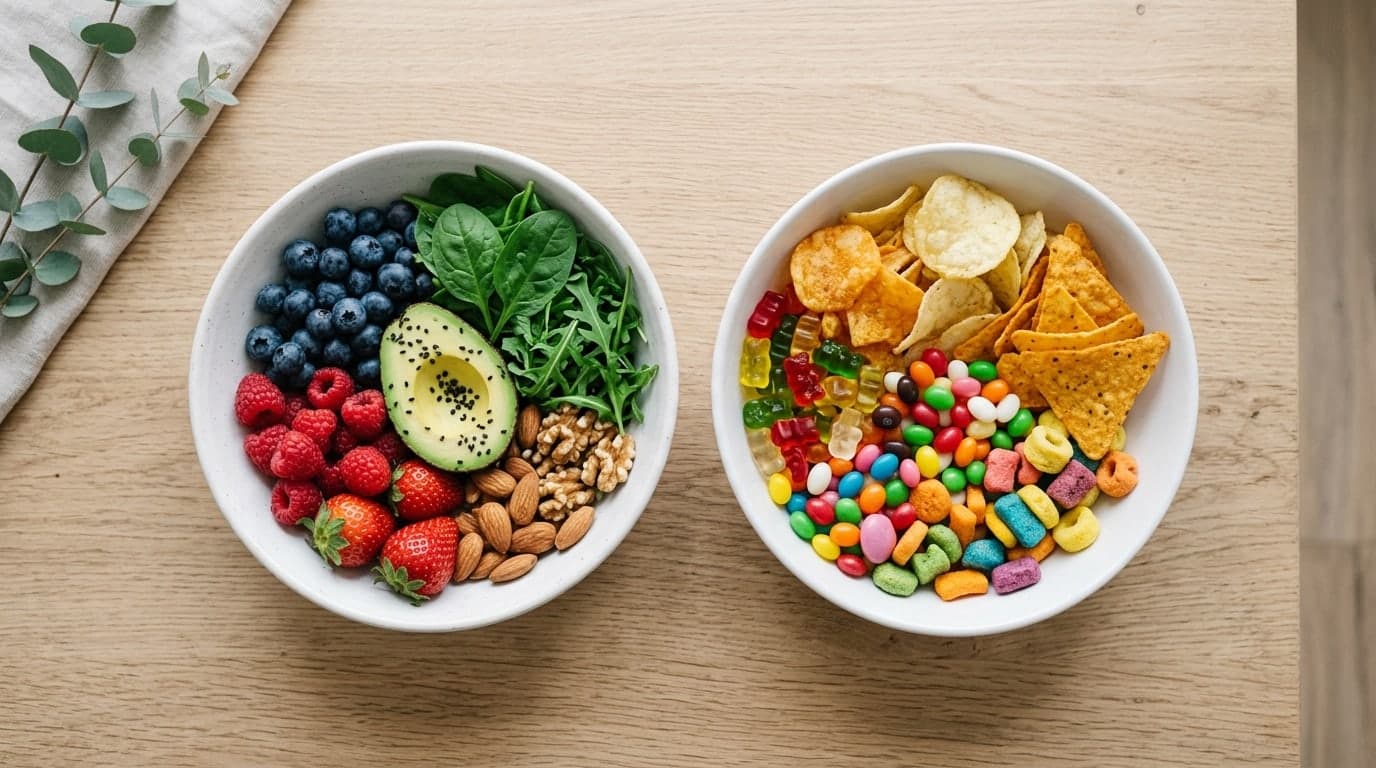
Discover why 1500 calories of junk food and 1500 calories of whole foods produce completely different results. Learn how food quality affects weight loss, energy, and long-term health.
Smoothies, lattes, juice, beer — the calories you drink don't register as food, don't trigger satiety, and quietly add up to a meal's worth per day. Here's the fix.
Most people abandon calorie counting within two weeks. Learn the real reasons why calorie tracking fails and practical strategies to make it stick for good.
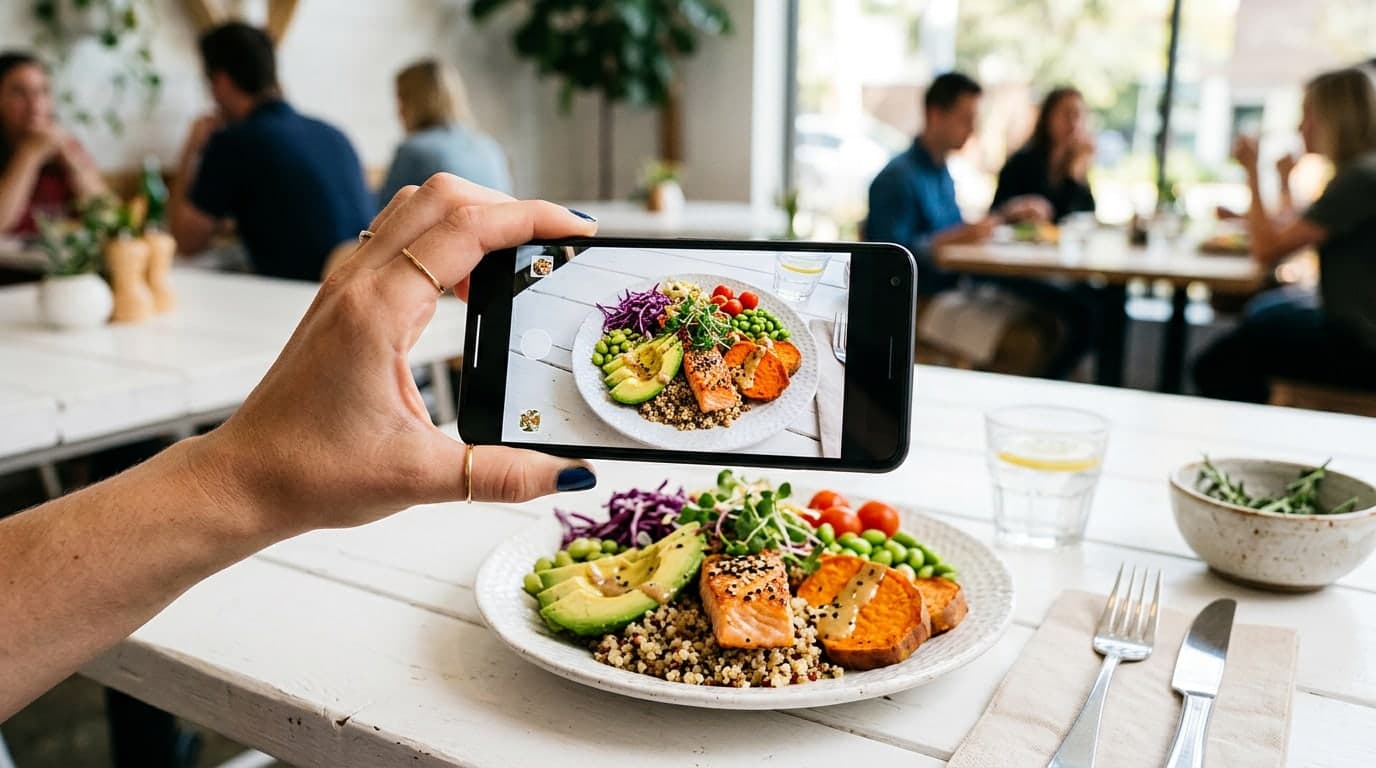
Discover how AI calorie counters use deep learning and food recognition to instantly calculate calories, protein, carbs, and fat from a single photo of your meal.
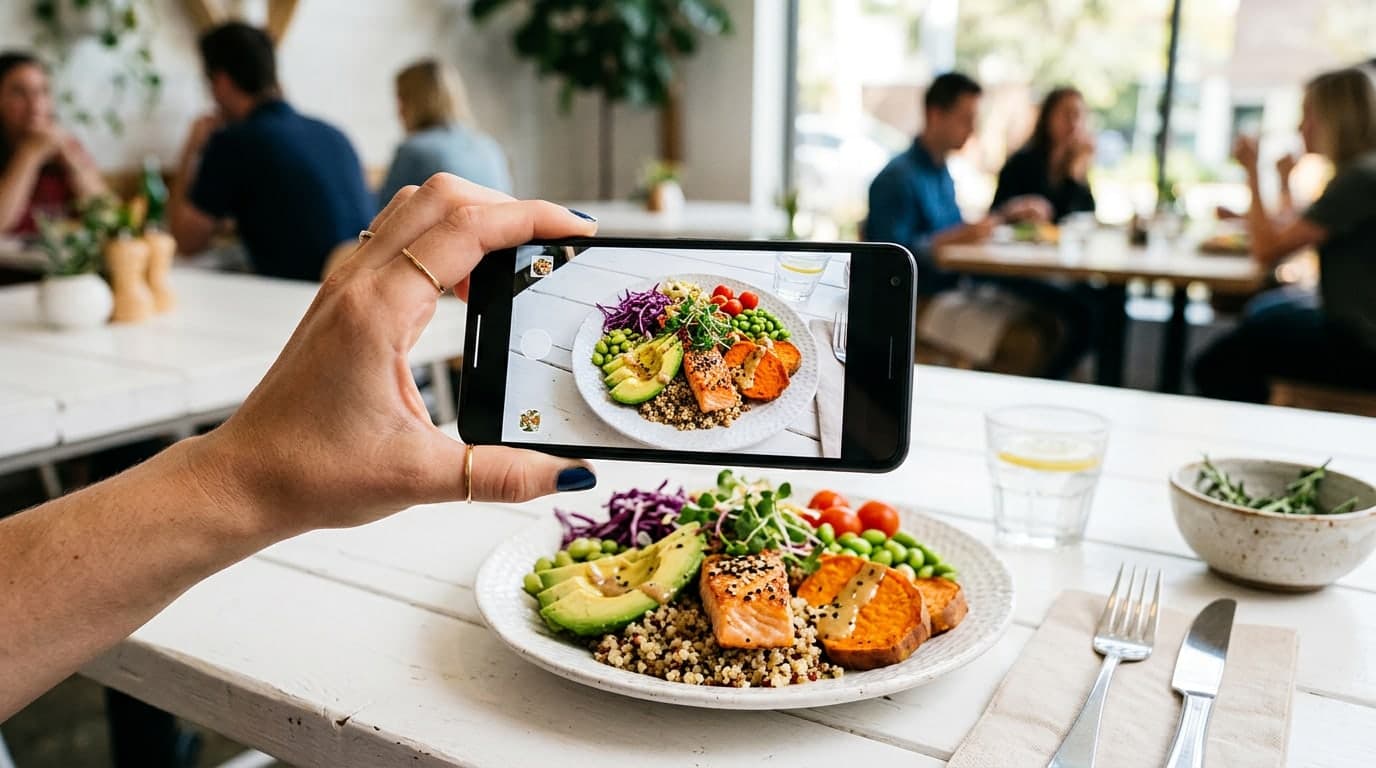
A practical, low-friction system for staying on track when eating out — order strategy, portion estimation, photo logging, and the social side most articles ignore.
Not all E-numbers are created equal. The clear list of which food additives are safe, which are controversial, and which are banned in some countries — with the science.
From titanium dioxide to sodium benzoate, these 7 common food additives are hiding in everyday products. Learn what they are, where they lurk, and why you should care.
The NOVA framework grades every food into 4 processing levels — and ultra-processed (NOVA 4) is consistently linked to weight gain, metabolic disease, and shorter lifespan. Here's how to use it.
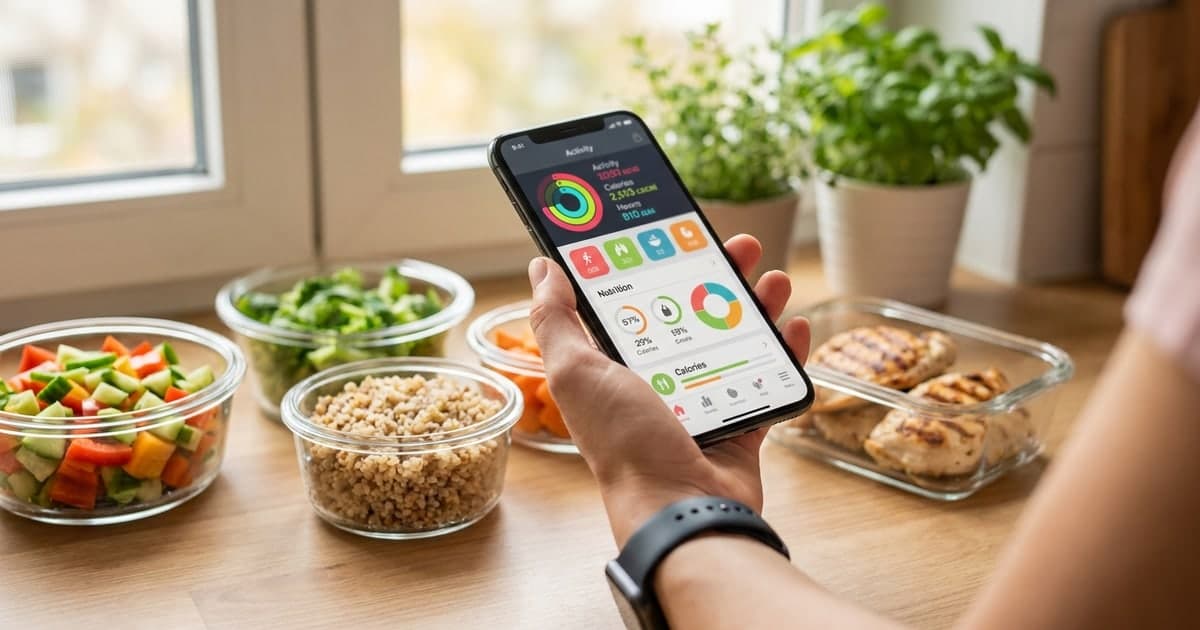
Photo-based calorie counting is faster, more accurate, and easier to stick with than manual food logging. Here is why making the switch will transform your tracking habits.
Aspartame, sucralose, stevia, allulose — sorted by the actual evidence on weight loss, gut health, and cancer risk. The honest, up-to-date picture.
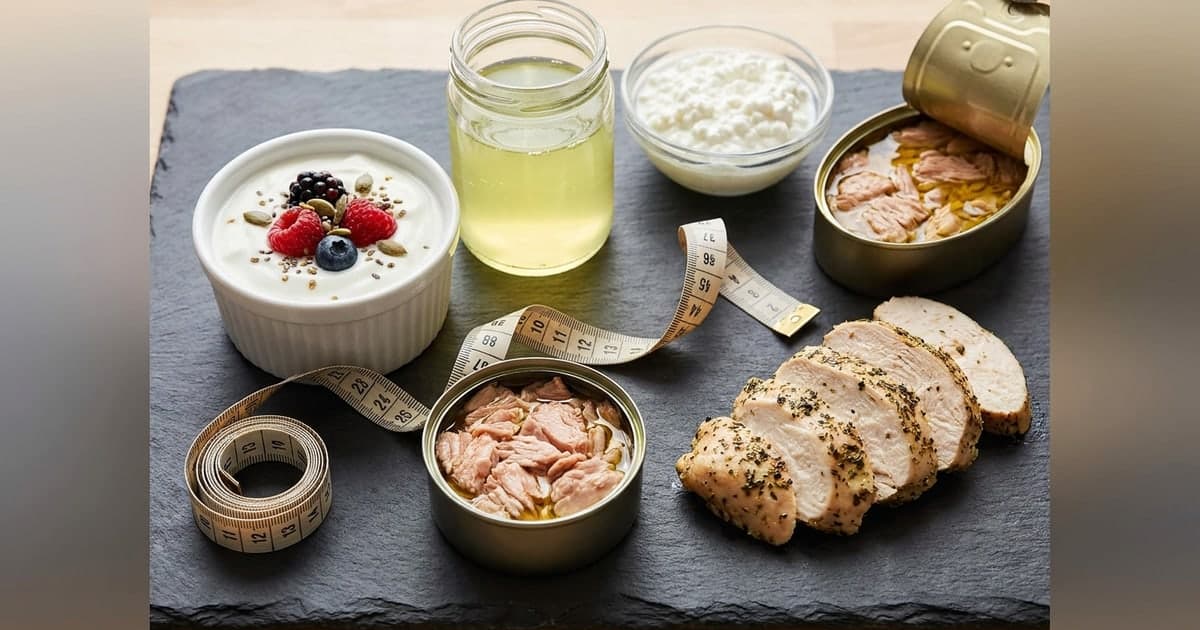
The complete ranked list of foods with the best protein-per-calorie ratio. The actual building blocks of a sustainable cut — sorted by density, with practical serving examples.
Learn how ultra-processed foods drive overeating, disrupt hunger signals, and stall weight loss even when you're in a calorie deficit. Includes the NOVA classification system explained.
Protein quantity is the headline — quality is what your body actually does with it. The DIAAS-ranked list of protein sources from whey isolate to legumes, with practical implications.
Both can build muscle, both can support weight loss — but they're not interchangeable. The actual differences in absorption, leucine, body composition, and long-term health.
Learn the best strategies for tracking macros consistently. From protein targets to meal prep hacks, these tips make macro tracking simple and sustainable.
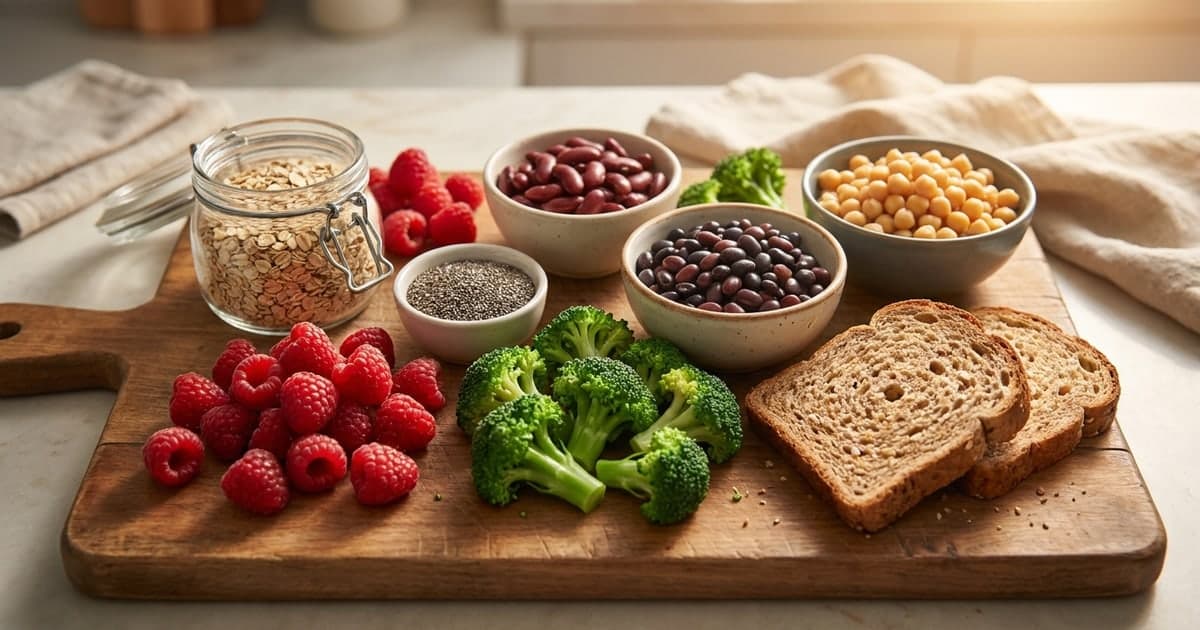
Most people get half the fiber they need. The data on what fiber actually does for weight loss, satiety, gut health — and the simple ways to fix the deficit.
Honest, evidence-based take on combining IF and calorie tracking — when both help, when one is enough, and the actual mechanism behind why IF works for some people.
Plateaus are almost always a measurement problem, not a metabolism problem. The 6-step diagnostic to get the scale moving again — without slashing your already-low calorie target.
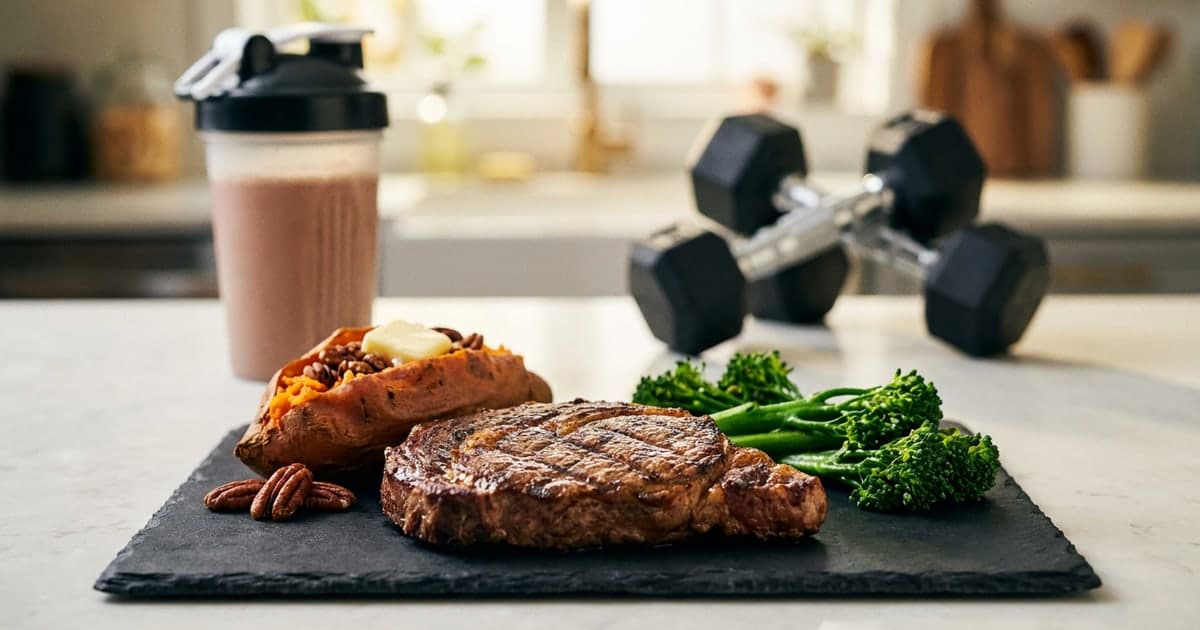
How to gain muscle without gaining unnecessary fat. The right surplus size, protein target, training and tracking framework — backed by current research.
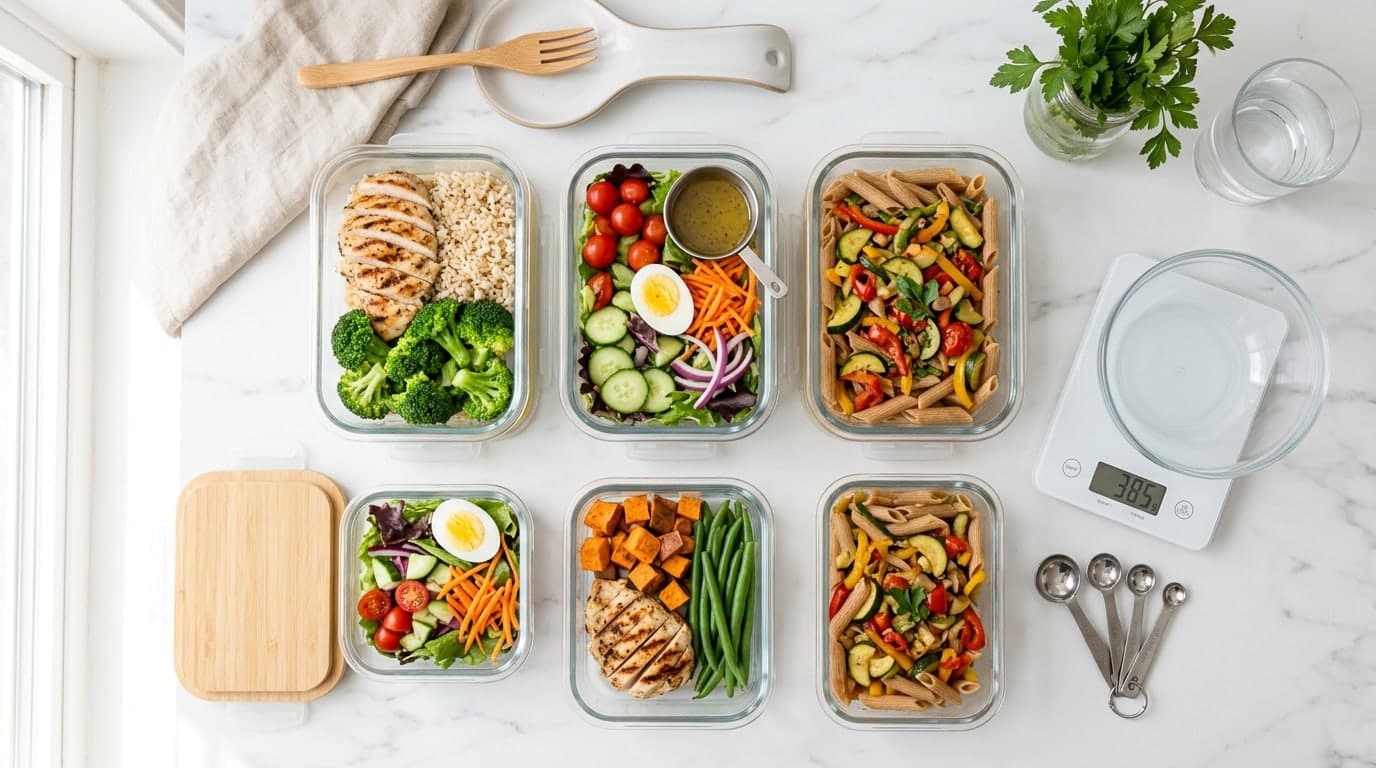
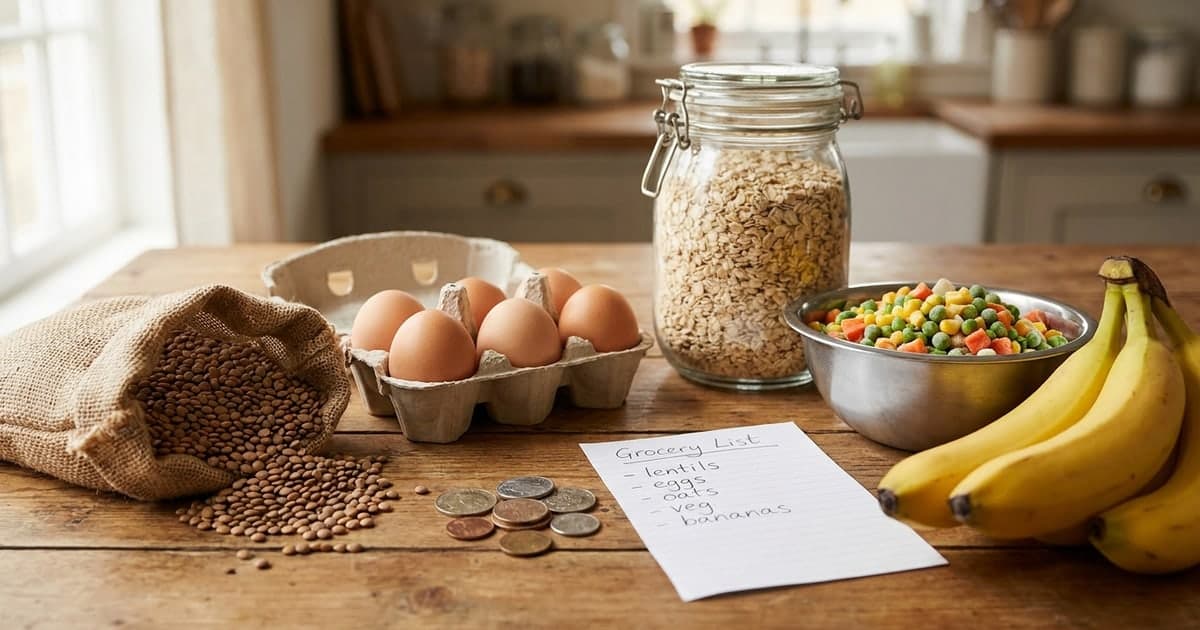
A realistic, calorie-aware shopping and meal-prep guide for under $50/week. The high-protein staples, the cheap-but-quality vegetables, and the meal templates that actually work.
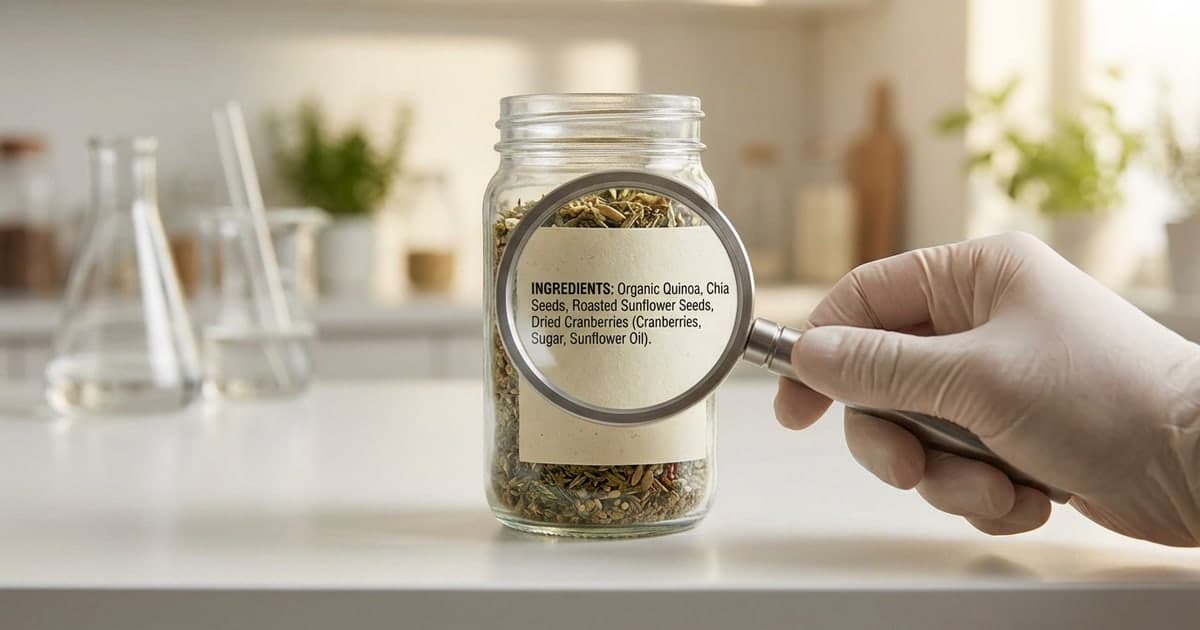
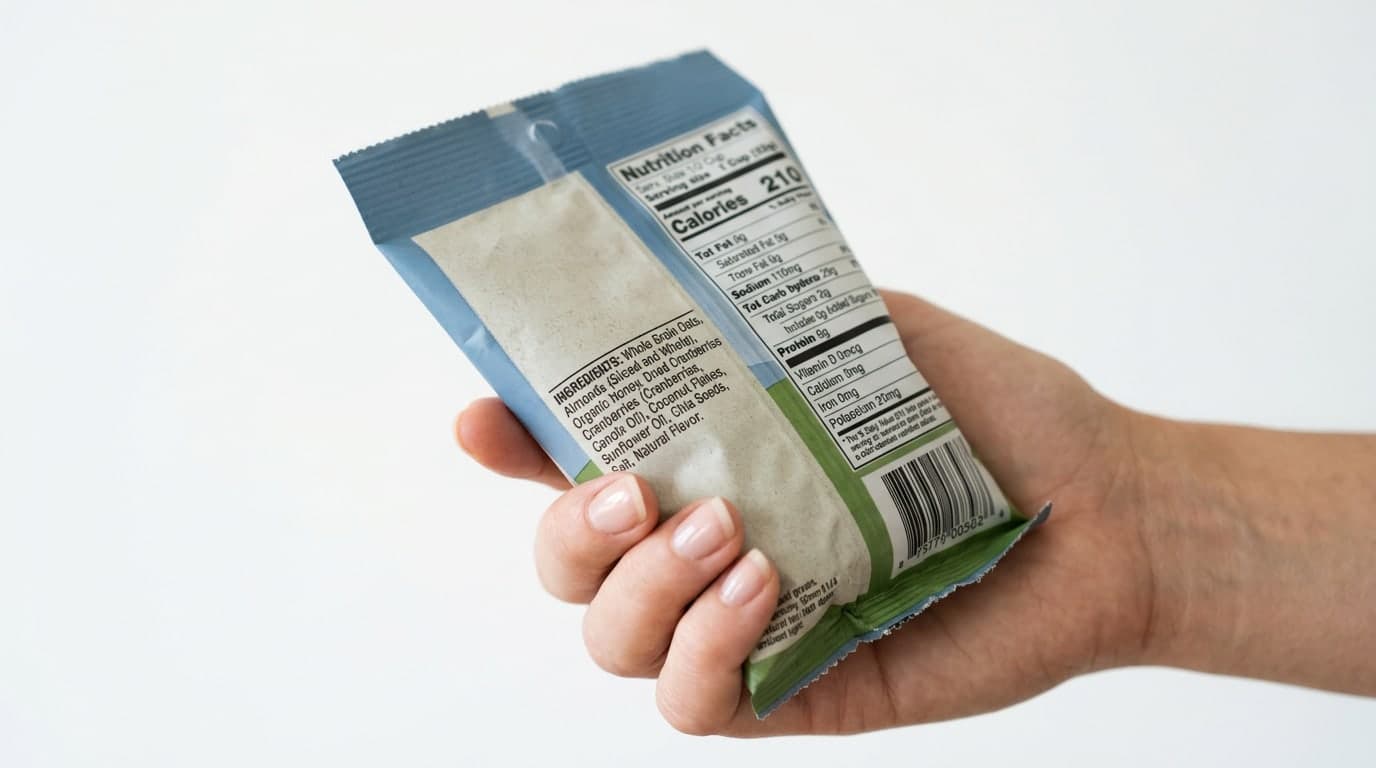
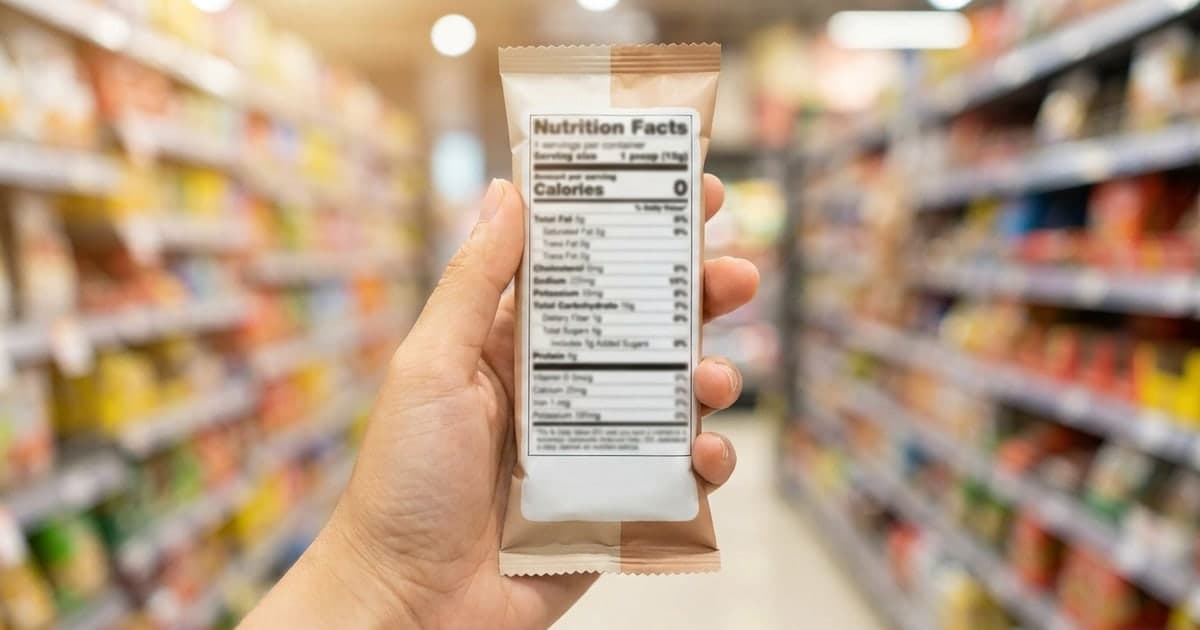
The 4 things that matter on a nutrition label, the marketing claims that don't, and how to spot ultra-processed food before you buy it. The 30-second supermarket workflow.
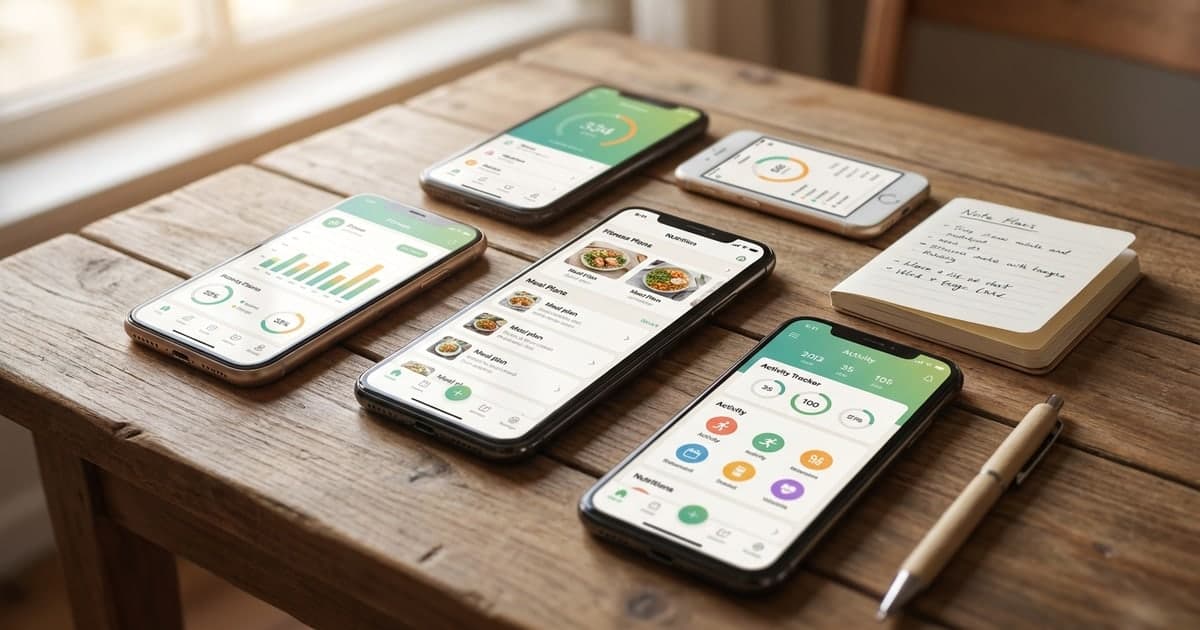
MyFitnessPal, Lose It!, Yazio, Cronometer, MacroFactor, Calsy — ranked by photo AI, accuracy, food quality features, and price. The actual differences that matter.