How AI Calorie Tracking Works: The Technology Behind Instant Food Recognition
The Rise of AI-Powered Calorie Counting
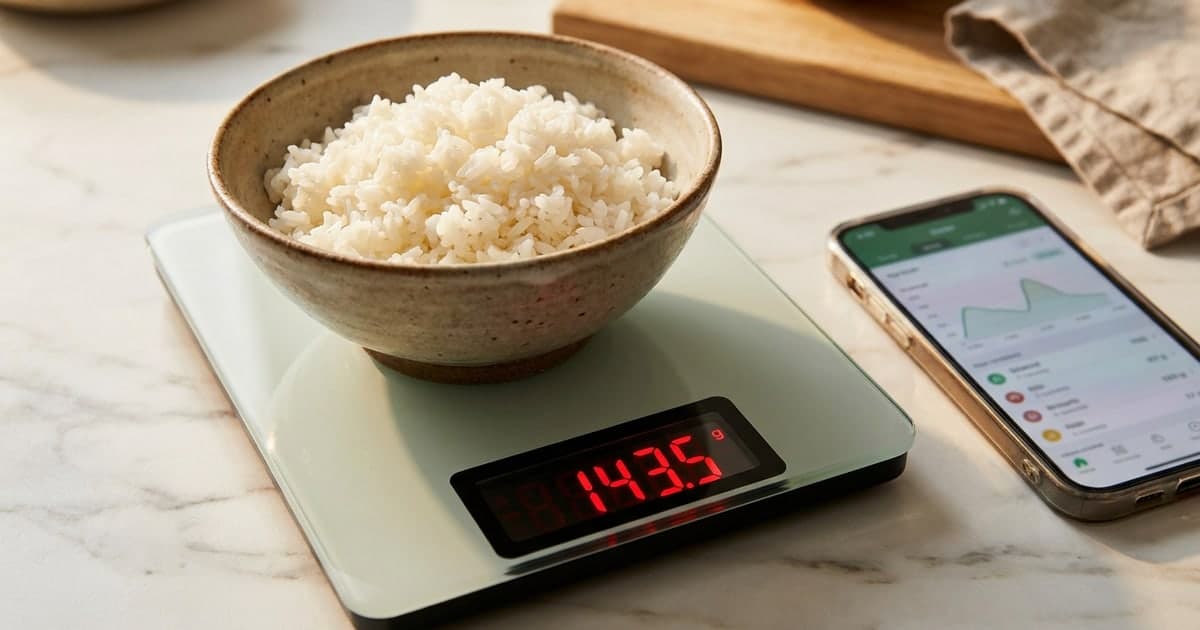
Tracking what you eat used to mean scrolling through endless food databases, measuring portions with a kitchen scale, and manually logging every ingredient. It was tedious, time-consuming, and most people gave up within the first week.
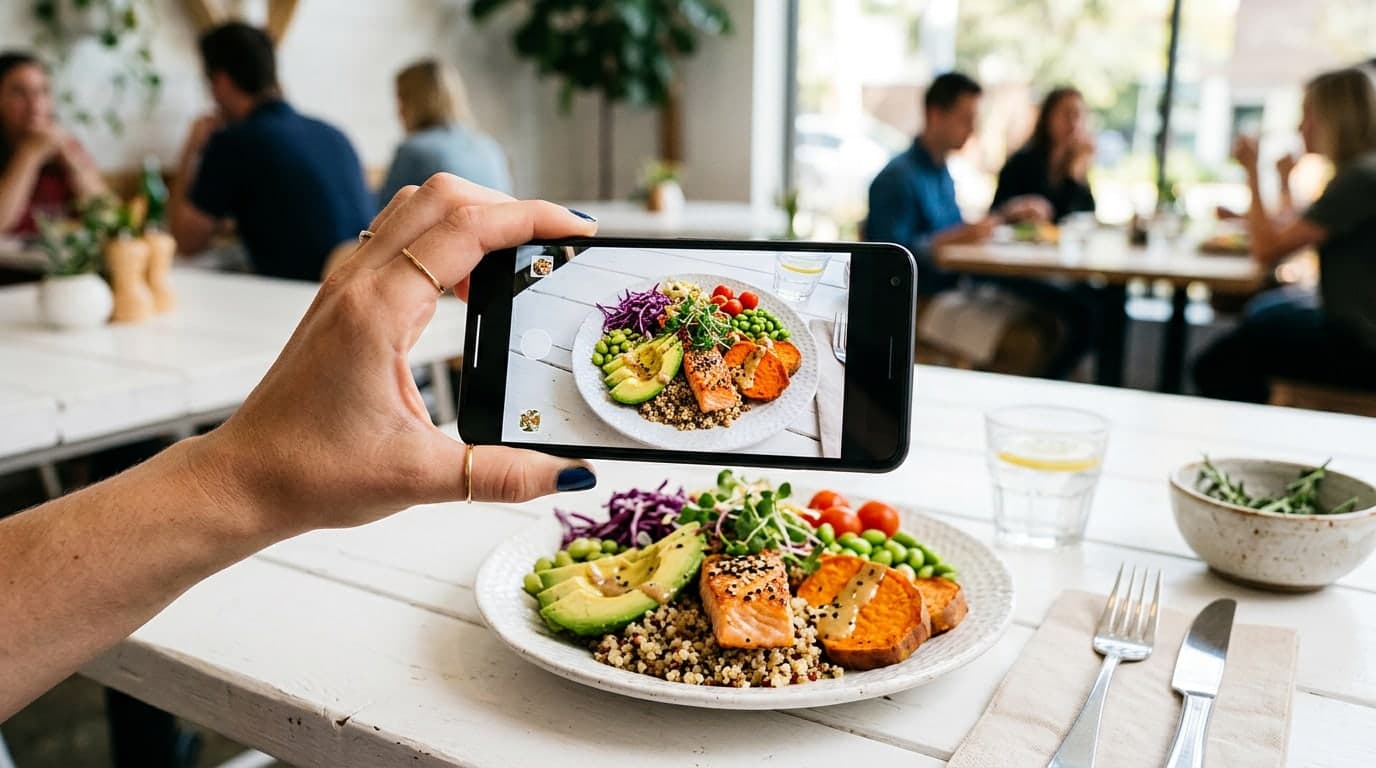
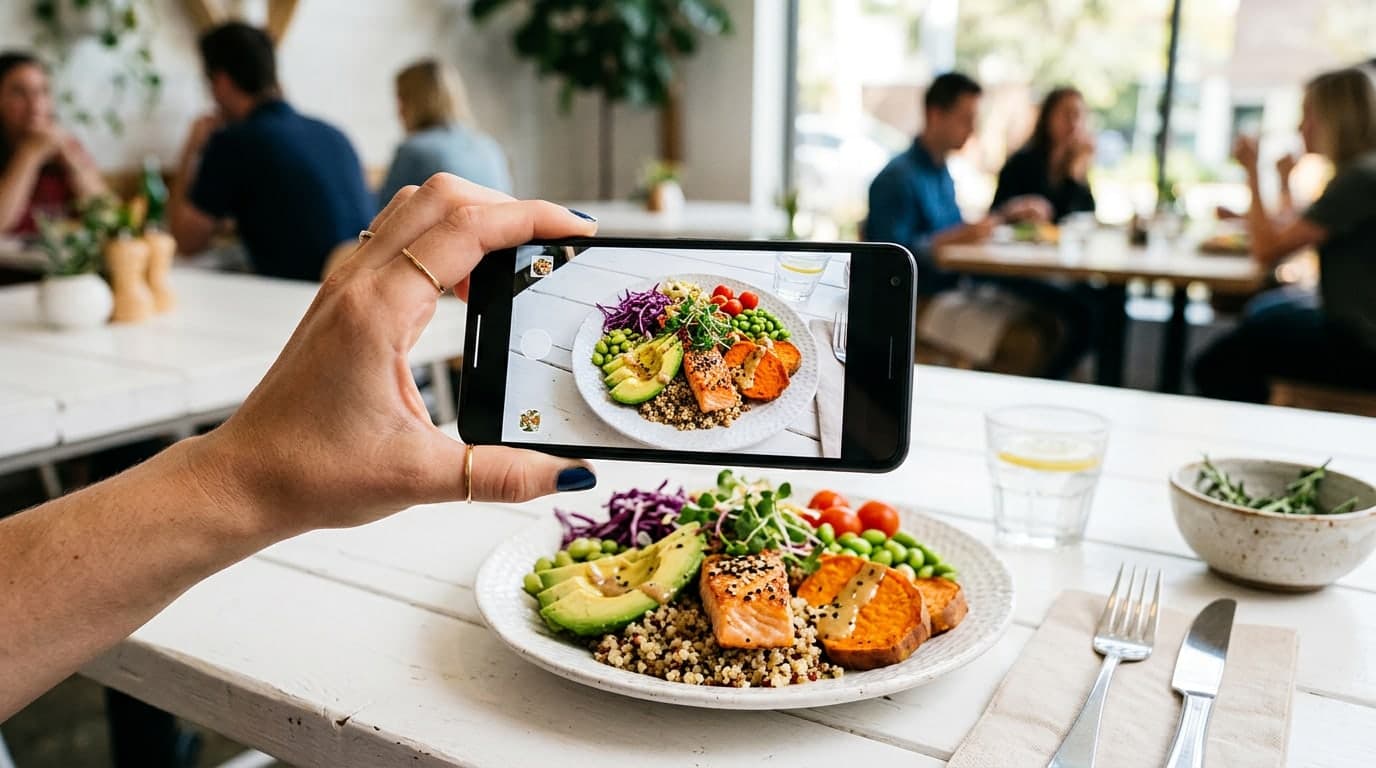
AI calorie tracking has changed that entirely. Modern AI calorie counters like Calsy let you snap a photo of your meal and get a full nutritional breakdown in seconds. But how does this technology actually work? And how accurate is it compared to manual entry? (You can also try the AI on your own food photo in your browser, free.)
Let's break it down.
How Food Recognition AI Works
At the core of every AI calorie counter is a deep learning model trained on millions of food images. Here is a simplified look at the process:
1. Image Capture and Preprocessing
When you take a photo of your meal, the app first preprocesses the image. This involves normalizing the lighting, adjusting contrast, and resizing the image to a standard format that the neural network can process efficiently.
2. Object Detection and Segmentation
The AI does not just look at the image as a whole. It uses object detection to identify individual food items on your plate. If you have a plate with grilled chicken, rice, and steamed broccoli, the model segments each item separately.
This is critical because a meal is rarely just one food. Advanced models use techniques like instance segmentation to draw boundaries around each food item, even when they overlap or touch each other.
3. Food Classification
Once each item is isolated, the model classifies it. This is where the deep learning magic happens. Convolutional neural networks (CNNs) and vision transformers analyze textures, shapes, and colors to match each food item against thousands of categories.
Modern food recognition models can distinguish between visually similar foods, like white rice versus cauliflower rice, or a blueberry muffin versus a chocolate muffin. The accuracy of top-tier models now exceeds 90% for common foods.
4. Portion Size Estimation
Identifying the food is only half the problem. The AI also needs to estimate how much of it you are eating. This is where depth estimation and reference-based scaling come in.
Some apps use the known size of common objects (like a plate or a fork) as a reference point. Others use advanced monocular depth estimation to gauge the volume of food in the image. Combined with density databases for different food types, the AI can estimate portion sizes with surprising accuracy.
5. Nutritional Calculation
Once the food is identified and the portion estimated, the system maps each item to a comprehensive nutritional database. This gives you the complete breakdown: calories, protein, carbohydrates, fat, fiber, and often micronutrients too.
The entire process, from photo to nutritional breakdown, takes less than two seconds on a modern smartphone.
Why AI Beats Manual Calorie Tracking
Manual food logging has a fundamental problem: friction. Every bit of effort you add to a habit makes it less likely you will stick with it. Here is how AI tracking compares:
- Speed: A photo takes 2 seconds. Manual search and logging takes 2-5 minutes per meal.
- Accuracy: People consistently underestimate portions when logging manually. AI provides objective measurement.
- Consistency: Because it is so easy, people are far more likely to log every meal, not just the "good" ones.
- Mixed meals: Logging a homemade stir-fry manually means entering 8-10 ingredients. AI handles the whole plate at once.
Research published in the Journal of Medical Internet Research found that users of AI-based food tracking apps logged meals 3.2 times more consistently than those using traditional database-search methods.
The Training Data Behind the Models
The quality of an AI calorie counter depends heavily on its training data. The best models are trained on diverse datasets that include:
- Foods from different cuisines (not just Western diets)
- Varying lighting conditions (restaurant lighting, outdoor, kitchen)
- Different plating styles and containers
- Partially eaten meals
- Packaged foods with and without wrappers
This diversity is what allows the AI to work reliably in real-world conditions, not just in a lab.
Limitations and How They Are Improving
No AI system is perfect. Current limitations include:
- Hidden ingredients: The AI cannot see oil used in cooking or sugar dissolved in a sauce. Some apps address this by letting you adjust preparation methods.
- Very unusual foods: Rare regional dishes with limited training data may not be recognized accurately.
- Liquid calories: Drinks, smoothies, and soups are harder to analyze from a photo alone.
However, these limitations are shrinking rapidly. Each generation of models improves through continuous learning from user corrections and expanded training datasets. The gap between AI estimation and ground truth is closing every year.
What to Look for in an AI Calorie Counter
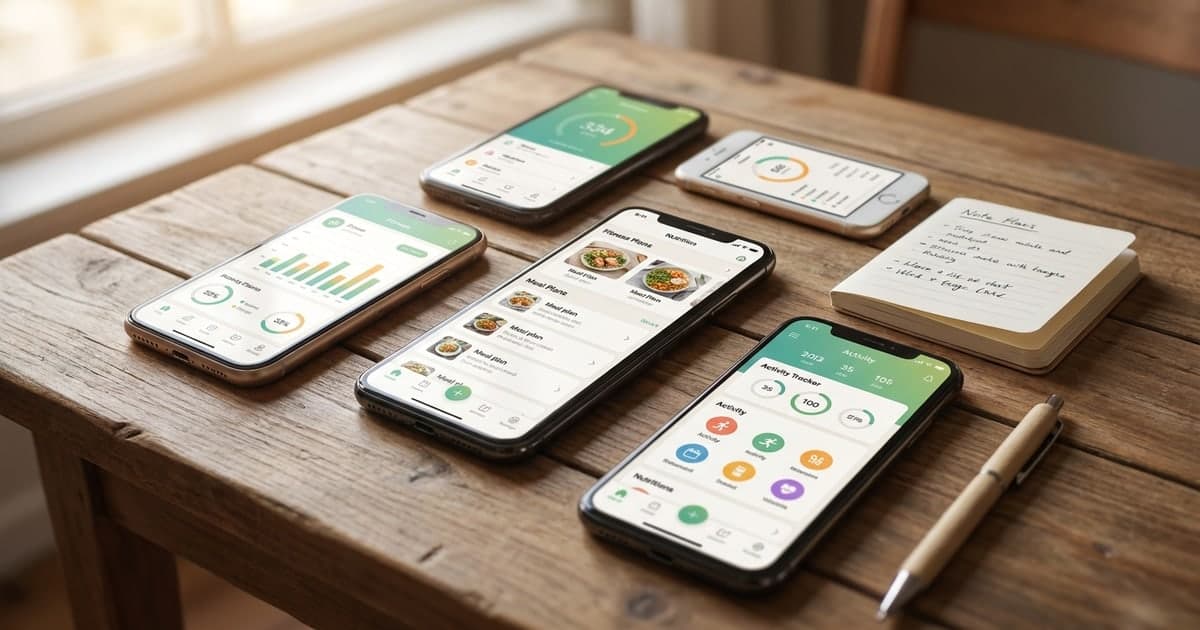
If you are choosing a calorie tracking app, here are the features that matter most:
- Fast recognition: Results should appear in under 3 seconds.
- Multi-food detection: The app should handle plates with multiple items.
- Easy correction: When the AI gets something wrong, fixing it should be quick.
- Comprehensive database: The nutritional database behind the AI should be extensive and regularly updated.
- Macro breakdown: Calories alone are not enough. Look for protein, carbs, and fat tracking.
The Future of AI Food Tracking
The next wave of AI calorie counters will likely include real-time video recognition, integration with smart kitchen devices, and personalized nutritional recommendations powered by your tracking history.
For now, the simple act of pointing your phone at your plate and getting instant, accurate nutritional data is already a game-changer for anyone serious about their health and fitness goals.
The best calorie tracking app is the one you actually use consistently, and AI-powered photo tracking removes the biggest barrier to consistency: effort.
Ready to track smarter?
Snap a photo, get your calories, macros, and Health Score instantly. See what other trackers miss.
Download Calsy — It's Free