20 High-Protein, Low-Calorie Foods Ranked by Density
Hitting protein targets is the single highest-leverage change most dieters can make. The challenge: protein-rich foods can also be calorie-rich, depending on the source. Below is the ranked list of the highest-protein, lowest-calorie foods — sorted by grams of protein per 100 calories, the metric that matters when you're cutting.
A score above 15 g protein per 100 kcal is excellent. 10–15 is good. Below 8, the food is more carb or fat than protein.
The ranked list
| # | Food | Protein per 100 kcal | Per 100 g (raw/cooked) | Notes |
|---|---|---|---|---|
| 1 | Egg whites | 22 g | 11 g protein, 50 kcal | Pure protein, no fat. |
| 2 | Cod (cooked) | 22 g | 23 g protein, 105 kcal | One of the leanest fish. |
| 3 | Chicken breast (skinless, cooked) | 18 g | 31 g protein, 165 kcal | Industry standard for cuts. |
| 4 | Turkey breast (skinless) | 17 g | 30 g protein, 175 kcal | Slightly fattier than chicken. |
| 5 | Whey protein isolate | 17 g | 25 g protein, 120 kcal | Per scoop, mixed with water. |
| 6 | Plain Greek yogurt (0% fat) | 16 g | 10 g protein, 60 kcal | Add fruit, not granola. |
| 7 | Cottage cheese (1% fat) | 16 g | 12 g protein, 75 kcal | Slow-digesting; great pre-bed. |
| 8 | Tuna (canned in water) | 16 g | 26 g protein, 120 kcal | Convenience MVP. |
| 9 | Shrimp (cooked) | 15 g | 24 g protein, 120 kcal | Low fat, fast-cooking. |
| 10 | White fish (haddock, pollock) | 15 g | 20 g protein, 95 kcal | Versatile, mild. |
| 11 | Squid / calamari (grilled, not fried) | 14 g | 18 g protein, 130 kcal | Underrated. |
| 12 | Plain skyr | 14 g | 11 g protein, 65 kcal | Icelandic yogurt cousin. |
| 13 | Lean beef (eye of round, sirloin, 95/5) | 12 g | 25 g protein, 165 kcal | Cut matters — some beef cuts are 50/50 protein:fat. |
| 14 | Tempeh | 11 g | 19 g protein, 195 kcal | Best plant-based whole-food protein. |
| 15 | Tofu (firm) | 11 g | 8 g protein, 75 kcal | Protein:calorie ratio not as strong as it looks; depends on prep. |
| 16 | Lentils (cooked) | 8 g | 9 g protein, 115 kcal | Carb-dominant but useful. |
| 17 | Edamame | 9 g | 11 g protein, 120 kcal | Good snack. |
| 18 | Black beans | 6.5 g | 9 g protein, 130 kcal | Mostly carbs; pair with rice for complete protein. |
| 19 | Quinoa (cooked) | 3.5 g | 4 g protein, 120 kcal | "Protein grain" but really mostly carbs. |
| 20 | Almonds | 3.5 g | 21 g protein, 580 kcal | High protein per gram, but very calorie-dense. |
What this list teaches
Three patterns to internalize:
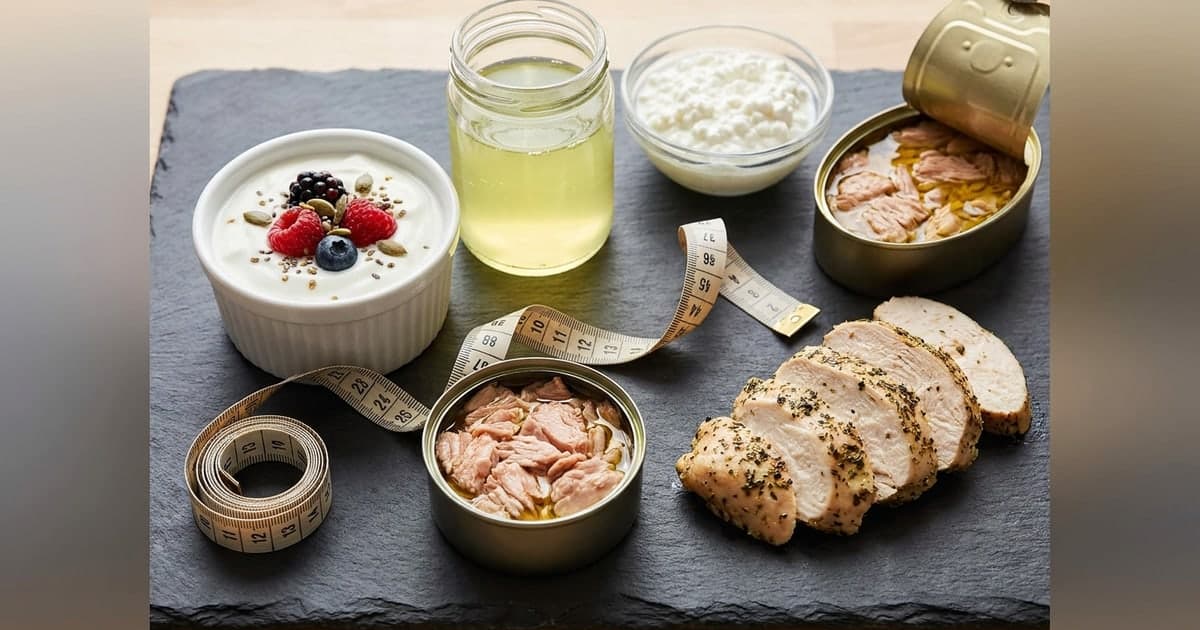
Lean animal protein dominates the top 10. Egg whites, white fish, chicken breast, lean turkey, lean dairy. These are 50–70 percent of total calories from protein. They're also the easiest way to hit a daily protein target.
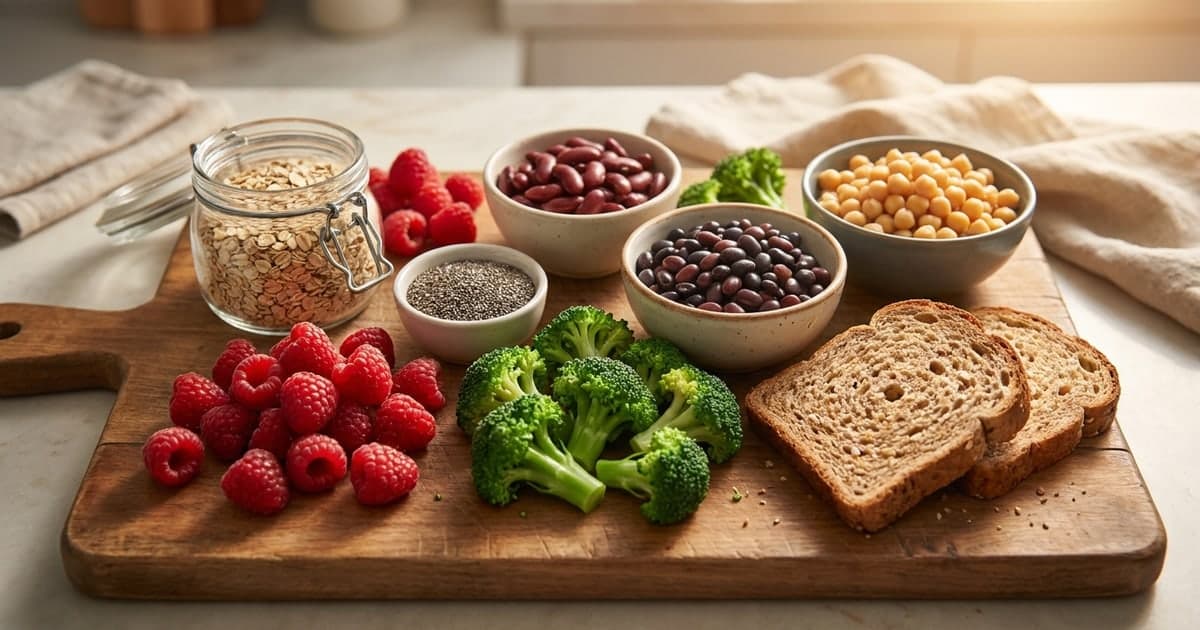
Most plant proteins are carb-dominant. Lentils, beans, quinoa — they have protein, but per calorie, they're more carb than protein. Useful in a balanced diet; not the best lever for protein-led calorie deficits.
Nuts and seeds are calorie-dense, not protein-dense. Almonds have a lot of protein per gram, but per calorie, they're mostly fat. They're great as a fiber/healthy-fat source; they're not the protein anchor of a meal.
Building a 100 g protein day at 1,500 kcal
Here's what a high-protein, low-calorie day looks like using the top of the list:
| Meal | Foods | Protein | Calories |
|---|---|---|---|
| Breakfast | 4 egg whites + 1 whole egg + 200 g spinach + 1 slice toast + black coffee | 28 g | 320 |
| Snack | 200 g plain Greek yogurt + 100 g berries | 22 g | 180 |
| Lunch | 150 g chicken breast + 200 g broccoli + 100 g rice + 1 tsp olive oil | 42 g | 480 |
| Snack | 1 scoop whey + 1 banana | 26 g | 230 |
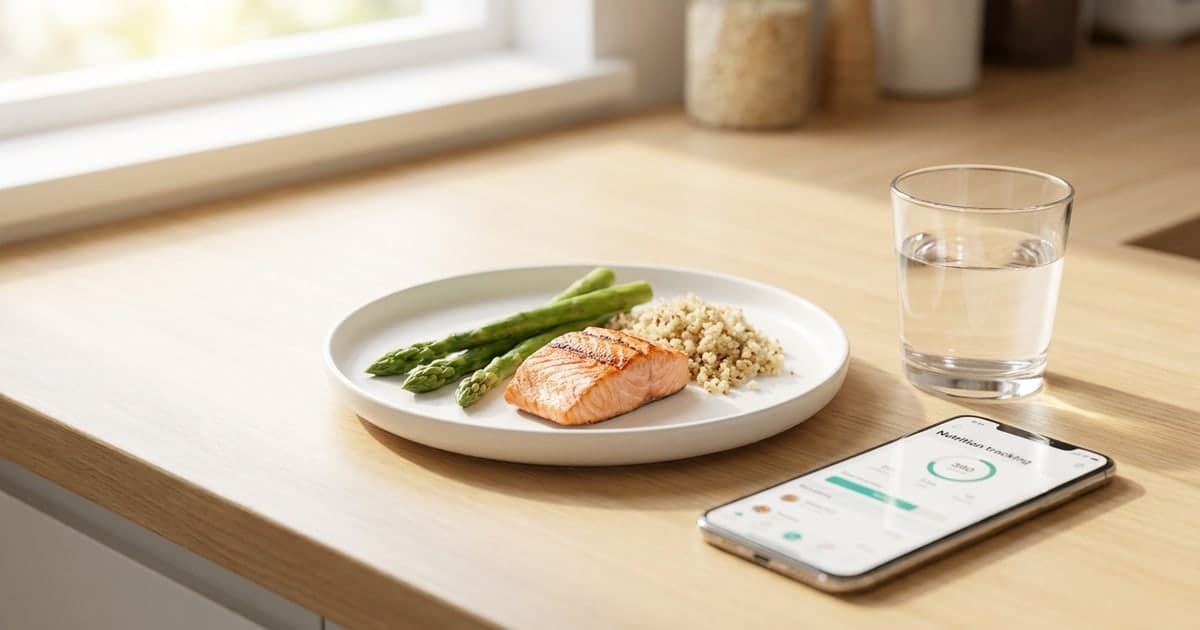
| Dinner | 180 g cod + 200 g asparagus + 150 g sweet potato + 1 tsp olive oil | 42 g | 460 |
Daily totals: 160 g protein, ~1,670 kcal. Easily adjustable down by reducing the rice or sweet potato portions.
High-protein, low-calorie snacks
The hardest meal to optimize is the snack. Most snack categories are carb- or fat-dominant. A good snack list:
- Plain Greek yogurt or skyr (most protein per calorie of any snack option)
- Cottage cheese with cucumber (slow protein + volume)
- Hard-boiled eggs (10 g protein in 80 kcal)
- Tuna pouch (20 g protein in 100 kcal, no fridge needed)
- Beef jerky (15 g protein in 80 kcal — watch sodium)
- Edamame (10 g protein in 100 kcal, plant option)
- Whey protein shake (25 g protein in 120 kcal)
- Roasted chickpeas (6 g protein in 100 kcal — better than chips)
What to do this week
- Pick three foods from the top 10 of the list. Buy them this week.
- Replace one carb-dominant snack with a protein-dominant one (yogurt instead of cookie; tuna instead of chips).
- Aim for 30 g of protein at every main meal. That's roughly 100 g of chicken, 200 g of yogurt, or 150 g of fish.
Most people who fail at calorie deficits fail because they're hungry. Most people who are hungry on a calorie deficit have too little protein. Fix the protein first; the rest follows.
Ready to track smarter?
Snap a photo, get your calories, macros, and Health Score instantly. See what other trackers miss.
Download Calsy — It's Free